
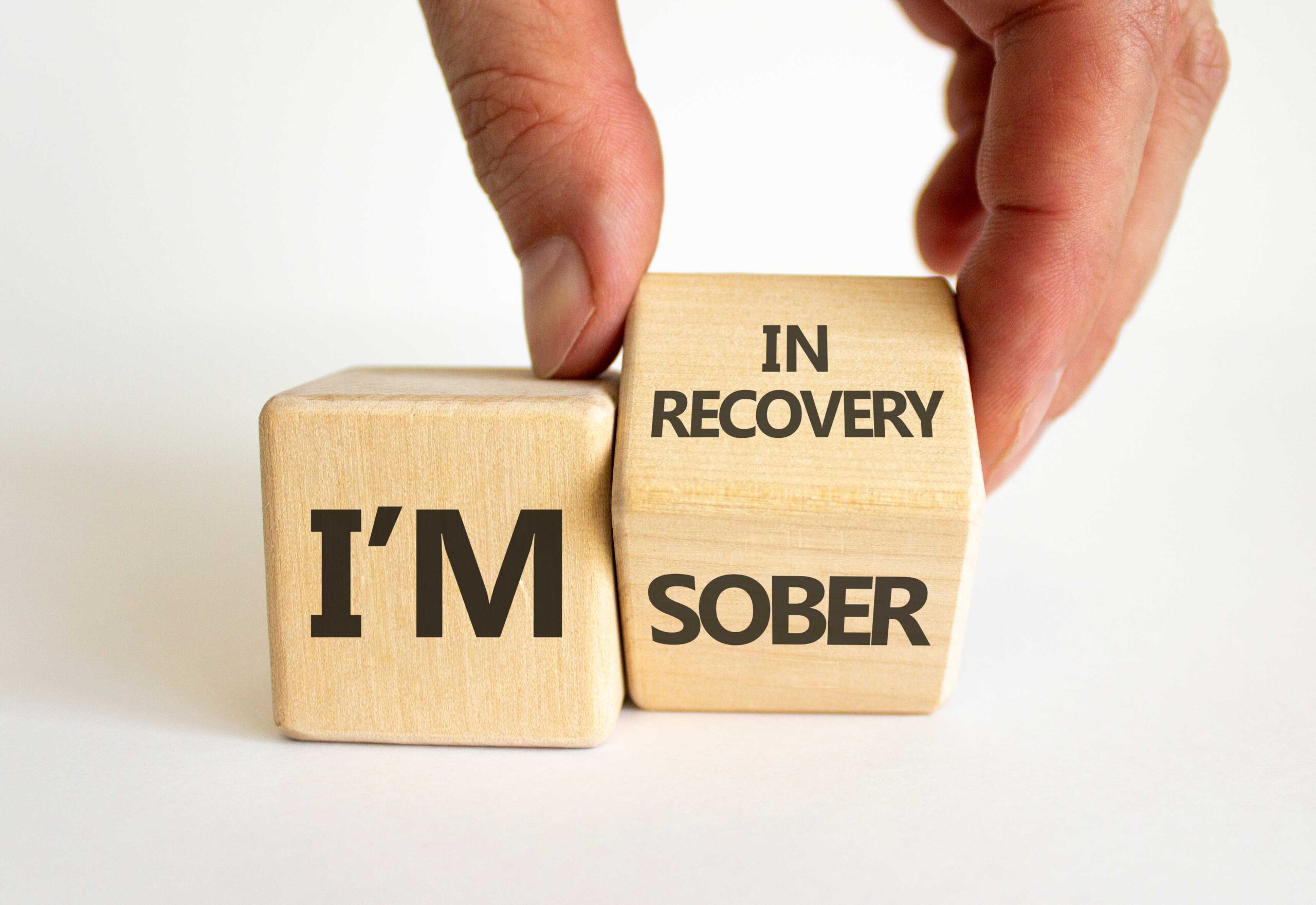
Getting sober is a major accomplishment, but recovery does not have to end when substance use stops. For many people, addiction recovery is also about rebuilding confidence, restoring relationships, finding meaningful goals, and discovering a sense of purpose that may have been lost along the way. Addiction can gradually make drugs or alcohol the center of daily life, leaving little room for personal growth or long term plans. With the right treatment and support, recovery can create space for something different: a healthier, more purposeful life.
At Tamatave Découverte, addiction recovery is approached as a personal process. Individual needs, mental health, personal circumstances, recovery goals, and values can all influence the type of support a person needs. This whole person approach can help individuals work toward sobriety while also developing the skills and confidence needed for life beyond treatment.
Why Recovery Is About More Than Sobriety
Stopping substance use is an essential part of addiction recovery, but it is only one part of the process. Addiction can affect nearly every area of life, including physical health, emotional well being, relationships, work, finances, daily routines, and self confidence.
When substance use has taken up much of a person’s time and attention, everyday responsibilities and personal goals may have been pushed aside. Once treatment begins, an important question often emerges: What comes next?
That question matters because lasting recovery involves building a life that gives you reasons to keep moving forward.
Reconnecting With Who You Are
Addiction can change how people view themselves. Someone may begin to see themselves primarily through past mistakes, broken relationships, missed opportunities, or periods of substance use.
Recovery provides an opportunity to develop a different perspective.
Instead of asking only, “How do I stop using?” it can be helpful to consider:
- What kind of life do I want to build?
- Which relationships matter most to me?
- What personal strengths have I overlooked?
- What activities give me a sense of meaning?
- What goals would make me proud?
- What values do I want to reflect in my daily choices?
These questions can help shift recovery from simply avoiding substances toward creating a life that feels worth protecting.
Mental Health Treatment Can Strengthen Addiction Recovery
Mental health and addiction often overlap. Anxiety, depression, trauma, chronic stress, and other emotional difficulties can influence substance use. At the same time, prolonged drug or alcohol use can make emotional challenges harder to manage.
For this reason, addressing mental health can be an important part of meaningful addiction recovery. Professional support can help individuals understand emotional triggers, process difficult experiences, improve emotional regulation, and develop healthier coping strategies.
Learning to Handle Life Without Substances
Confidence grows when people learn that they can experience difficult emotions without immediately turning to drugs or alcohol.
Treatment can help develop practical skills for managing:
- Stress at work or home
- Conflict with family members
- Anxiety and emotional discomfort
- Cravings and high risk situations
- Difficult memories
- Feelings of loneliness or frustration
- Major changes and unexpected setbacks
These skills are useful long after formal treatment ends. Life will continue to bring challenges, but recovery can provide healthier ways to respond.
Personalized Treatment Helps Make Recovery Meaningful
There is no universal definition of a successful recovery. One person may want to rebuild a family relationship. Another may want to return to school, improve physical health, restart a career, or simply establish a stable daily routine.
Individualized treatment recognizes these differences.
A personalized recovery plan can take into account substance use history, physical and mental health, previous treatment experiences, family relationships, daily responsibilities, personal strengths, and recovery goals.
Set Goals That Build Confidence
Confidence rarely returns all at once. It often develops through small actions repeated consistently.
For example, someone may begin by:
- Attending treatment appointments consistently.
- Following a healthy daily routine.
- Keeping commitments to family members.
- Learning a new coping strategy.
- Exercising regularly.
- Returning to work or education.
- Taking responsibility for personal decisions.
- Pursuing a meaningful hobby or interest.
Each completed goal provides evidence that change is possible.
Over time, these accomplishments can challenge the belief that addiction defines who you are.
Inpatient Treatment Can Provide Space to Rebuild
For some individuals, inpatient treatment can provide the structure needed to focus on recovery without the constant pressures of everyday life. A structured setting may include individual counseling, group support, mental health services, recovery education, peer connection, structured routines, and wellness activities.
This environment can give individuals an opportunity to establish healthier habits before returning to more responsibilities.
Building Stability Before Moving Forward
Early recovery can feel overwhelming when someone is simultaneously dealing with cravings, emotional difficulties, relationship problems, and everyday obligations.
A structured treatment environment can create room to focus on important priorities. Individuals can practice coping skills, establish routines, and receive professional guidance while gradually developing greater confidence.
The goal is not to remain dependent on a treatment environment. Instead, treatment can help create a foundation for greater independence.
Outpatient Care Connects Recovery With Everyday Life
Outpatient treatment offers another level of support for people who can safely participate in care while continuing to manage responsibilities such as work, education, or family life.
One important benefit is the opportunity to practice recovery skills in real situations. Someone might use a stress management technique during a difficult workday, practice healthier communication during a family disagreement, or recognize a trigger before it becomes overwhelming.
These experiences can help turn treatment lessons into practical daily habits.
Holistic Recovery Can Help Rebuild the Whole Person
Addiction can affect the mind and body as well as relationships, routines, and emotional well being. A holistic approach recognizes that these areas can all matter in long term recovery.
Depending on individual needs and preferences, holistic practices may include mindfulness, meditation, exercise, nutrition education, relaxation techniques, creative activities, and other healthy forms of self care.
Healthy Habits Can Restore a Sense of Control
Simple routines can have an important role in rebuilding confidence.
Consistent sleep, nutritious meals, physical activity, meaningful activities, relaxation, and positive social connections can provide structure throughout the day.
These habits may seem small, but they can create repeated opportunities to make healthy decisions. Over time, consistency can help replace chaotic patterns with routines that support stability.
Faith Based Support Can Help Restore Purpose
For people who value spirituality, faith based support can become an important part of addiction recovery. Faith may provide opportunities to explore forgiveness, personal values, hope, purpose, and connection.
Spirituality does not have to replace professional treatment. Instead, it can complement counseling and other clinical services as part of an individualized recovery plan.
Finding Meaning After Addiction
Purpose can be especially important after a period when addiction has dominated daily life.
A person may discover purpose through family, service, work, education, creativity, faith, community involvement, or personal growth. The specific answer is different for everyone.
What matters is developing reasons to invest in the future.
When recovery becomes connected to meaningful goals, sobriety can become more than something a person is trying to maintain. It can become part of a larger vision for life.
Rebuilding Relationships Can Restore Confidence
Addiction can damage trust between family members, partners, friends, and colleagues. Repairing those relationships takes time, and recovery does not guarantee that every relationship will return to the way it was before addiction.
However, consistent behavior can make a difference.
Keeping promises, communicating honestly, respecting boundaries, accepting responsibility, and following through on commitments can demonstrate meaningful change.
Let Actions Speak Over Time
A single apology may open the door to healing, but repeated healthy actions help build trust.
Recovery can provide opportunities to show others, and yourself, that change is happening. Every responsible decision can become another step toward rebuilding credibility and self respect.
Create a Relapse Prevention Plan
Confidence should not mean believing that difficult situations will never happen. A stronger approach is preparing for those situations before they occur.
A relapse prevention plan can help identify triggers, warning signs, supportive people, healthy coping strategies, and steps to take when challenges increase.
Your plan might include:
- Identifying situations that increase cravings
- Knowing which people you can call for support
- Avoiding environments that create unnecessary risk
- Maintaining healthy routines
- Attending counseling or support sessions
- Using stress management techniques
- Setting healthy boundaries
- Asking for professional help early
Reaching out for additional support is not a failure. It is a practical part of protecting your recovery.
Your Future Does Not Have to Be Defined by Addiction
One of the most meaningful parts of addiction recovery is realizing that your past does not have to determine every part of your future.
Recovery can provide an opportunity to learn new skills, repair relationships, establish healthier routines, pursue personal goals, and rediscover interests that may have been forgotten.
Confidence grows through experience. Each time you make a healthy decision, manage a difficult emotion, keep a commitment, or ask for help instead of returning to substance use, you are building evidence that you can live differently.
That process takes time. Progress may not always feel dramatic, but consistent choices can gradually create significant change.
Take the Next Step Toward a More Meaningful Life
Addiction recovery is about more than achieving sobriety. It can be an opportunity to rebuild confidence, reconnect with your values, strengthen relationships, improve mental health, and discover a renewed sense of purpose.
With individualized care, mental health treatment, inpatient and outpatient options, holistic practices, and faith based support for those who value spirituality, treatment can address the different parts of life affected by addiction.
If addiction has left you feeling disconnected from your goals or unsure about the future, you do not have to figure everything out alone. Reaching out to a qualified treatment provider can help you understand your options and identify a level of care that fits your needs.
Sobriety can be the beginning of recovery, not the end of the story. With the right support, you can begin building a life that offers something addiction could never provide: genuine purpose, meaningful connection, and confidence in the person you are becoming.